.svg)









How we work matters just as much as what we build

Over the past few years of running and growing a creative agency/digital consultancy, we’ve began to understand that how we work is equally if not more important than what we’re working on. Rather than just sticking with what’s familiar, the big gains come from embracing challenges outside of our comfort zone. Which is why we’ve made a constant effort to look for any improvements in all areas of business, from technical workflows and processes to collaborating efficiently as a team. One important motto we live by at Motion 12 is to utilise research and make data backed decisions before we move into new technologies or software. In this article, we’ll cover the ways in which we’ve accelerated our progress in three core areas; development, design and project management.
Development
Re-evaluating the core development process might seem like the most obvious thing to tackle but the specifics in how you approach this may differ a lot from project to project. Depending on the budget for the project or the goals of the build, the decision on which technology stack to utilise will come with different pros and cons. However, some improvements can be made that can enhance multiple projects. When setting up our local development environments, we’ve tried a few different options - most notably Lando and the use of Dev Containers - and now we’re using devenv which is a Nix-based tool for creating development environments. Each time we’ve gone through this process of refining how we develop our builds, we see improvements in our build times, deploy times, and general productivity that all stack up over time.
Having the most optimal tools is important, but only when everyone knows how to use them effectively. Otherwise, you can end up doubling the time spent on a project when it comes to fixing and refactoring poor code. This is where we allocate more time collaborative sessions amongst the dev team, such as code reviews and peer programming, in order to get projects started on the right track and get everyone on the same page.
Design
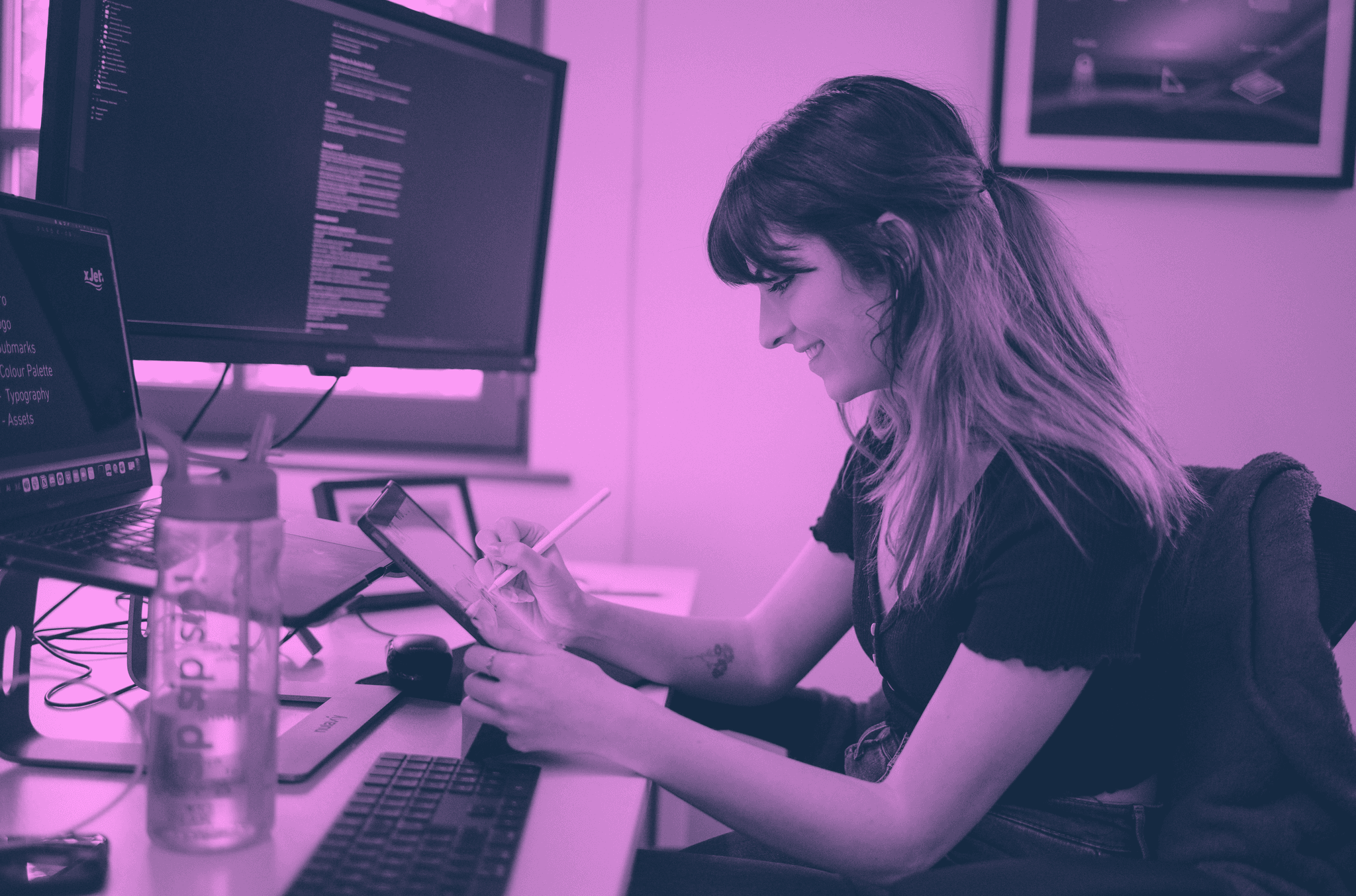
In terms of our approach to all things design, we’ve consistently levelled up processes to able to produce better designs for our clients as well as our own dev team. A big catalyst for this came when we adopted Figma as our main design tool and took advantage of all it has to offer. Gone are the days of awkwardly messing around with assets in Photoshop/Illustrator and wondering how on earth an interactive component is going to work in the context of a responsive website from just a few static shape layers. Now we are able to collaborate much more efficiently during the design phase, with the use of proper design tokens, which eliminates a lot of issues when it comes to the development stage of a build.
Unfortunately however, some projects do require us to work with designs that are sent to us in XD or even Illustrator, which is why we offer a ‘Figma hygiene’ service where we work with these files and convert them into a fully fleshed out Figma design that follows necessary principles and conventions ready for development. More info on that here (link to Figma/design services)
Project Management
One of the larger shifts in our day to day workflows came when we moved to Jira as our primary tool for managing projects. We’d previously tried other options such as ClickUp or directly through Github via Kanban boards etc, but none of these ever felt truly fit for purpose, as though we were fighting against their limitations as much as benefitting from them. Jira on the other hand was more in line with our internal working processes and, after a bit of a learning curve and refining to our use cases, was able to house everything we needed for all of our projects. Because it can be tailored, we have it set up to integrate with our meetings for notes as well as GitHub to manage branches for each tasks, which is perfect for our dev team.
As this transition had a large impact on how we manage tasks for each project, it made sense to take up begin following a robust project management framework, such as Scrum. Since our Agile work environment means the type of work and workloads can vary month to month and even day to day, having a proper Scrum structure keeps everyone aligned and on an effective path to achieve the goals for each project. Please see our other article here for a more in depth overview of how we have adapted Scrum to support clients at Motion 12: How we use SCRUM to deliver value for our partners
Roundup
These are just a few of the key ways we’ve developed our processes, and we’ll continue to refine our tools and workflows, in order to keep producing better work for our clients. From standardising our development environments to adopting Figma-first design and aligning delivery with Jira and Scrum, the common thread is continuous, evidence-led improvement. We’ll keep testing, learning, and iterating so every project runs smoother, communicates clearer, and delivers stronger outcomes.